
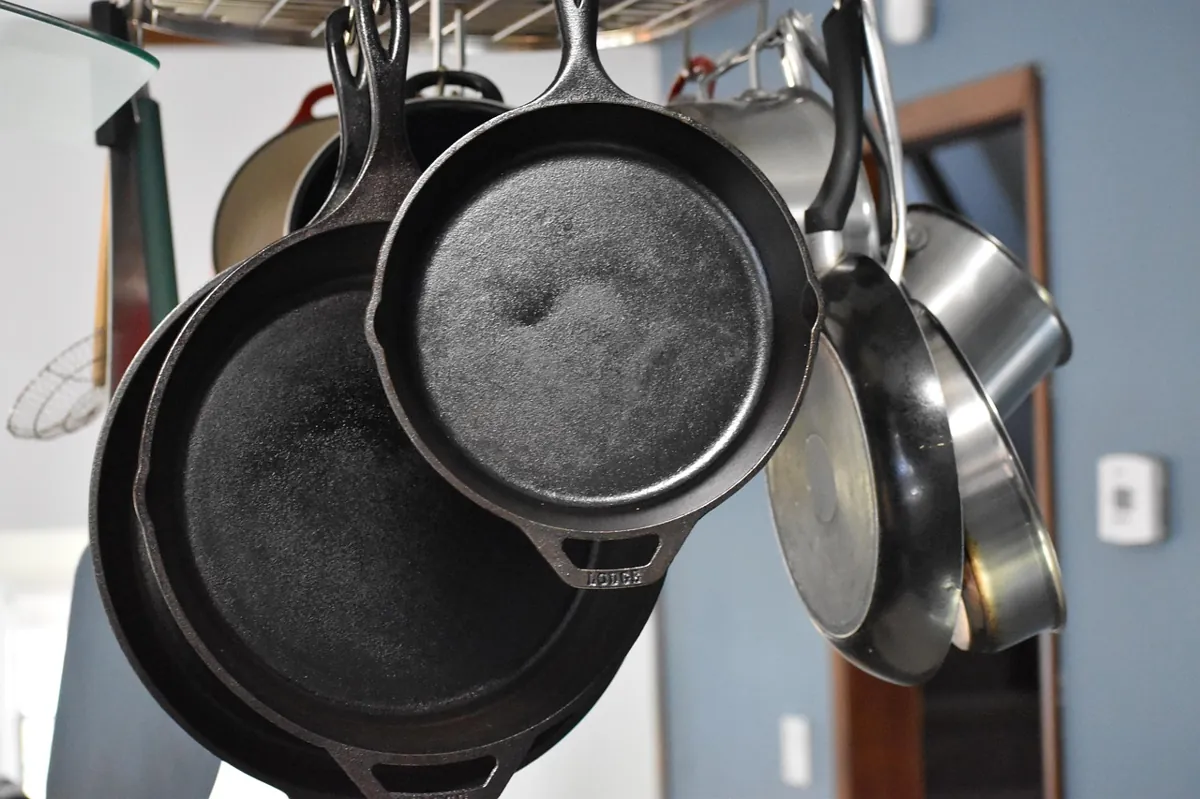
What Size Cast Iron Skillet Should I Buy
Looking for what size cast iron skillet should i buy? Here’s what actually matters before you spend. When choosing a cast iron skillet, consider your cooking needs and kitchen space. A 10-inch skillet is ideal for singles or small households, perfect for eggs, pancakes, and side dishes. For larger families, a 12-inch skillet offers more versatility, suitable for frying chicken, sautéing vegetables, and even baking cornbread. Opt for a size that balances your cooking requirements with ease of storage and handling.
What to Look for When Choosing a Cast Iron Skillet Size
Choosing the right size of cast iron skillet is crucial for both functionality and versatility in your kitchen. The most common sizes range from 8 inches up to 14 inches, with each offering unique advantages depending on your cooking needs.
For everyday use, an 8-inch or 10-inch skillet is ideal for smaller households or when preparing individual servings of dishes like eggs, pancakes, and small portions of meat. These skillets are also great for sautéing vegetables and making sauces.
A 12-inch skillet is a versatile choice that balances size and maneuverability. It’s perfect for cooking larger meals such as stir-fries, searing steaks, and baking cornbread. This size is suitable for most home kitchens where you need to cook for 2-4 people regularly.
For those who frequently entertain or have large families, consider a 14-inch skillet. This size offers ample space for cooking multiple dishes at once and is excellent for preparing family-style meals like fried chicken or large batches of pasta sauce.
When selecting your cast iron skillet, ensure it has good weight distribution for stability during cooking. Look for well-seasoned skillets that come pre-coated with a smooth surface to prevent food from sticking. Additionally, consider the handle material; while most handles are made of metal, some models offer wood or silicone grips which provide better heat insulation and comfort.
Ultimately, choose a size based on your specific needs and cooking habits for optimal performance in your kitchen.
Top Picks and Why They Stand Out
When choosing a cast iron skillet, consider its versatility and durability over its initial cost. A 10-inch skillet is ideal for single servings or side dishes, while a 12-inch model can accommodate larger meals like steaks or casseroles. For the most versatile option that covers both small and large cooking needs, a 14-inch skillet is highly recommended.
Why They Stand Out:
- Versatility: A 14-inch skillet offers ample space for various dishes without being too cumbersome to handle.
- Even Heat Distribution: Cast iron excels at maintaining even heat across the entire surface, ensuring consistent cooking results.
- Durability and Maintenance: High-quality cast iron skillets are built to last with proper care. Look for models that come pre-seasoned and include instructions on how to maintain the seasoning layer.
When selecting a cast iron skillet, prioritize heavy-gauge construction for durability and even heat distribution. Opt for brands known for their quality craftsmanship and customer support. Additionally, consider features like helper handles or pour spouts which enhance usability without compromising the traditional design of cast iron cookware.
How to Choose the Right Cast Iron Skillet Size
Choosing the right size for your cast iron skillet depends on how you plan to use it in your kitchen. Here are some key factors to consider:
-
Frequency of Use: If you frequently cook meals that require a large surface area, such as searing steaks or making pancakes, opt for a larger skillet (12 inches or more). For everyday cooking like sautéing vegetables and scrambling eggs, an 8-10 inch skillet is versatile enough.
-
Cooking Needs: Consider the types of dishes you typically prepare. A smaller skillet is ideal for individual servings or side dishes, while a medium to large skillet works well for family meals or entertaining guests.
-
Storage Space: Cast iron skillets can be heavy and take up significant counter space when not in use. Ensure that your chosen size fits comfortably on your stove and in your storage area without overcrowding other cookware.
-
Heat Distribution: Larger cast iron skillets distribute heat more evenly over their surface, which is beneficial for cooking tasks like frying or browning food. Smaller sizes are great for quick, precise cooking but may not be as effective at maintaining even temperatures across the entire pan.
-
Handle Design and Comfort: Look for a skillet with a comfortable handle that provides a secure grip when lifting hot pans. Some skillets come with helper handles on opposite sides to make handling easier during cooking and transferring food from stove to oven.
-
Durability and Maintenance: Cast iron requires regular seasoning to maintain its non-stick surface and longevity. Ensure you have the time and space to properly care for your skillet, regardless of size.
By considering these factors, you can choose a cast iron skillet that best suits your cooking habits and kitchen needs.
What to Avoid
When choosing the right size for your cast iron skillet, it’s important to consider both functionality and versatility in the kitchen. Here are some key points to help you make an informed decision:
-
Too Small: A skillet that is too small will limit your cooking capacity and may not be practical for everyday use. For example, a 6-inch or 8-inch skillet might work well for single servings or side dishes but won’t accommodate larger meals like stir-fries or seared steaks.
-
Too Large: Conversely, a skillet that is too large can be cumbersome to handle and store. A 14-inch or larger skillet may seem impressive but could be difficult to maneuver on smaller stovetops and might not fit in standard ovens or storage spaces efficiently.
-
Poor Quality Material: Look for cast iron skillets made from high-quality, pure cast iron rather than those that are thin or poorly constructed. Inferior materials can lead to uneven heating, warping over time, and a shorter lifespan.
-
Lack of Seasoning: A well-seasoned skillet is crucial as it provides a non-stick surface and protects the metal from rust. Avoid skillets with an unfinished or poorly applied seasoning layer; these will require extensive maintenance before they are ready for use.
-
Inadequate Handles: Choose a skillet with sturdy, comfortable handles that won’t heat up too much during cooking. Cast iron can retain heat, so poorly designed handles may become uncomfortable to hold when the pan is hot.
-
Limited Versatility: Opt for a size that offers versatility in your cooking routine. A 10-inch or 12-inch skillet tends to be a good balance between functionality and ease of use, suitable for various recipes from pancakes to roasts.
By avoiding these common pitfalls, you can ensure that the cast iron skillet you choose will serve as a reliable and long-lasting addition to your kitchen arsenal.
Frequently Asked Questions
Q: What is the best size for a cast iron skillet for everyday cooking?
A: A 10-inch skillet is versatile and suitable for most daily cooking needs, including sautéing vegetables and frying eggs.
Q: How do I choose between a 12-inch and a 14-inch cast iron skillet?
A: Consider your cooking habits; the 12-inch skillet is great for family meals or larger dishes like pancakes, while the 14-inch is ideal if you frequently cook for more than four people.
Q: Is there a difference in weight between different sizes of cast iron skillets?
A: Yes, generally speaking, each additional inch in diameter adds about half a pound to the skillet’s weight. This means larger skillets are heavier and may require more strength to handle.
Q: Should I buy one large cast iron skillet or multiple smaller ones for my kitchen?
A: Multiple smaller skillets offer flexibility for various cooking tasks, but if space is limited, a single versatile size like 10-inch can cover most needs efficiently.
Maintaining and Seasoning Your Cast Iron Skillet
Proper maintenance is crucial for extending the life of your cast iron skillet and ensuring its optimal performance. Start by thoroughly cleaning your skillet with hot water and a stiff brush or non-abrasive scrubber, but avoid using soap as it can strip away the seasoning layer. Once clean, dry the skillet immediately over low heat to prevent rusting. To maintain the non-stick surface, regularly season your cast iron skillet by applying a thin layer of vegetable oil or shortening and baking it in the oven at 350°F (175°C) for about an hour. Allow the skillet to cool completely before storing it. Regular seasoning will help build up a robust patina that enhances cooking performance and durability.
