
Moka Pot Vs Espresso Machine
Comparing moka pot vs espresso machine? Here’s an honest head-to-head. When it comes to brewing that perfect cup of coffee at home, both the Moka pot and the espresso machine offer distinct advantages. The Moka pot is a classic stove-top device known for its simplicity and affordability, producing a rich, full-bodied brew reminiscent of espresso but without the complexity or cost of an actual espresso machine. Espresso machines, on the other hand, provide precise control over brewing pressure and temperature, ensuring a consistent shot with crema every time. Choosing between them depends largely on your budget, desired convenience, and coffee preferences.
What Moka Pot vs Espresso Machine Actually Compares
When comparing a Moka pot to an espresso machine, it’s important to understand their fundamental differences in design, functionality, and the type of coffee they produce.
Design and Functionality:
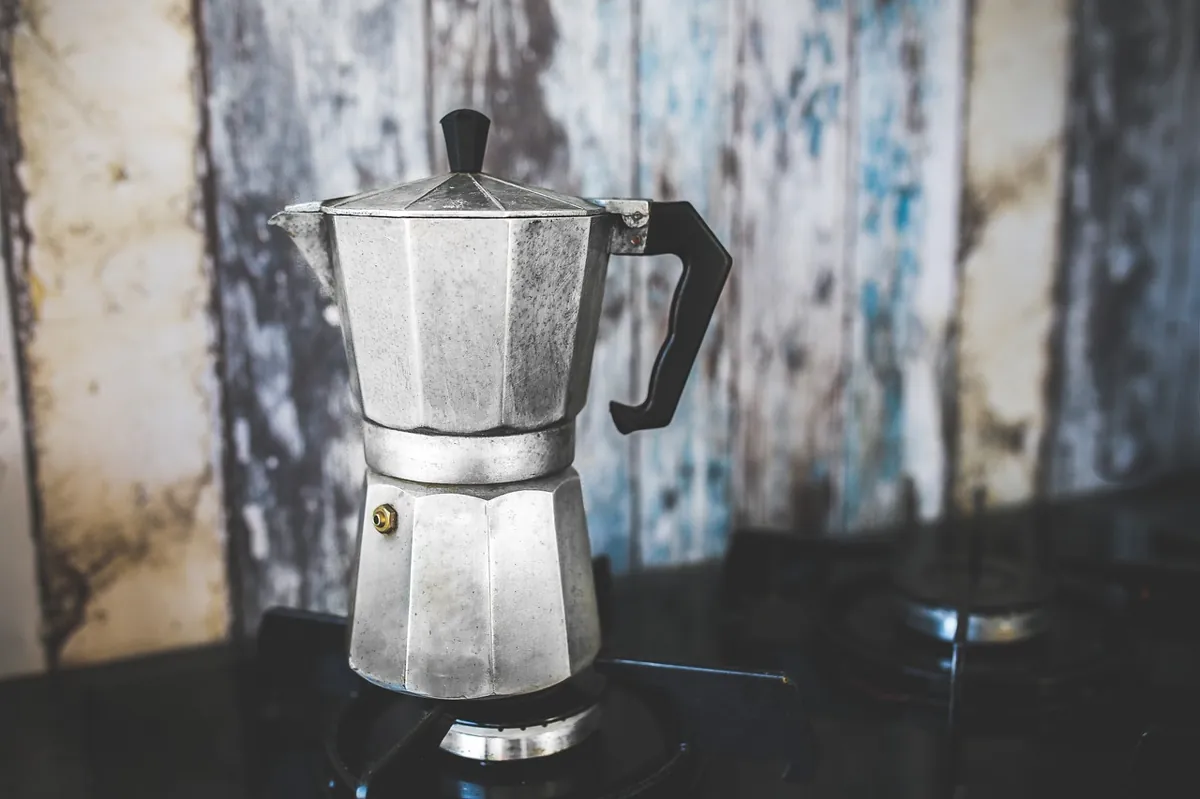
A Moka pot, also known as a stove-top espresso maker, is a simple device that uses steam pressure generated by boiling water to force hot water through ground coffee. It typically consists of three main parts: the lower chamber for water, the filter basket where you place the coffee grounds, and the upper chamber where the brewed coffee collects.
An espresso machine, on the other hand, can be electric or manual but generally uses pressurized water to extract espresso from finely ground coffee. Electric machines often have a built-in heating element and pump that deliver precise pressure and temperature control, while manual lever machines require physical effort to generate steam pressure manually.
Coffee Quality:
The Moka pot produces a strong, rich brew similar to espresso but with slightly less pressure than traditional espresso machines. The result is a coffee that has more body and flavor complexity compared to drip coffee.
An espresso machine, especially an electric one, can produce true espresso shots with the exact specifications of temperature (around 90-96°C) and pressure (about 9 bars). This leads to a more consistent extraction process, resulting in a shot that is both intense and aromatic.
Ease of Use:
A Moka pot requires no electricity and minimal maintenance. It’s portable and easy to clean but demands attention during the brewing process to avoid over-extraction or burning the coffee.
An espresso machine, particularly an electric model, offers convenience with automatic temperature control and programmable settings for different types of espresso drinks. However, it often comes at a higher price point and requires regular maintenance like cleaning the portafilter and descaling the boiler.
Winner:
The choice between a Moka pot and an espresso machine depends on your specific needs. If you value simplicity, portability, and don’t mind a bit of manual effort, a Moka pot is ideal for occasional use or as a backup when power fails. For those who prioritize consistency, precision in brewing, and the ability to make various types of coffee drinks quickly and easily, an espresso machine would be more suitable despite its higher cost and maintenance requirements.
Head-to-head: The Key Differences
When deciding between a Moka pot and an espresso machine for your home kitchen, it’s important to understand their distinct features and capabilities.
Brewing Method:
- Moka Pot: This stovetop device uses pressure generated by boiling water to push hot water through ground coffee. It typically produces a strong, concentrated brew similar to espresso but with less crema.
- Espresso Machine: These machines use pressurized steam or pump-driven water to force hot water through finely-ground coffee at high pressure (typically 9 bars). This process extracts more oils and flavors from the coffee grounds, resulting in a richer, creamier beverage.
Ease of Use:
- Moka Pot: Simple and straightforward. Fill with water, add ground coffee, place on stove, and wait for it to brew.
- Espresso Machine: More complex setup involving water reservoir filling, tamping coffee grounds into the portafilter, and ensuring proper temperature and pressure settings.
Maintenance:
- Moka Pot: Easy to clean; disassemble after use and rinse with hot water or soak in soapy water.
- Espresso Machine: Requires more maintenance including regular descaling (every 3 months) to prevent mineral buildup and ensure optimal performance. Cleaning the portafilter and group head is also necessary.
Cost:
- Moka Pot: Generally less expensive, ranging from $10-$50 depending on material and brand.
- Espresso Machine: More costly, typically starting at around $200 for entry-level models and going up to several thousand dollars for high-end machines.
Versatility:
- Moka Pot: Limited to brewing espresso-like drinks. Some models may include a second chamber for making coffee.
- Espresso Machine: Offers more versatility with options like steam wands for frothing milk, multiple brew settings (ranging from ristretto to lungo), and programmable features.
Winner:
The choice between a Moka pot and an espresso machine depends on your needs. If you’re looking for simplicity and affordability without the need for extensive maintenance or advanced features, a Moka pot is ideal. For those who want precision control over brewing parameters and enjoy making various coffee drinks including cappuccinos and lattes, an espresso machine would be more suitable despite its higher cost and maintenance requirements.
Which One Should You Choose
When deciding between a Moka pot and an espresso machine for your home kitchen, it’s important to consider several factors such as convenience, versatility, and the type of coffee experience you desire.
Moka Pot:
A Moka pot is a stovetop device that brews coffee using steam pressure. It’s relatively simple to use and requires no electricity. The process involves filling the lower chamber with water and adding ground coffee to the filter basket before screwing on the upper chamber. When heated, it produces a strong, espresso-like beverage in minutes. Moka pots are generally less expensive than espresso machines and offer a traditional brewing method that many coffee enthusiasts enjoy.
Espresso Machine:
An espresso machine typically uses pressurized water to extract flavors from finely ground coffee beans quickly. Modern espresso machines come with various features such as automatic dosing, temperature control, and programmable settings for different types of drinks like cappuccinos or lattes. They are more versatile and can produce a wider range of coffee beverages compared to a Moka pot.
Choosing Between the Two:
If you prioritize simplicity and affordability, a Moka pot might be your best choice. It’s easy to operate and provides a satisfying espresso-like experience without the need for electricity or complex settings.
On the other hand, if you enjoy experimenting with different coffee drinks and appreciate advanced features like temperature control and automatic dosing, an espresso machine would likely suit you better. Espresso machines offer greater versatility and convenience but come at a higher cost.
Ultimately, your choice should depend on your specific needs and preferences in terms of functionality and budget.
Pros and Cons of Each
Moka Pot
Pros:
– Affordability: Moka pots are generally inexpensive compared to full-fledged espresso machines, making them an excellent choice for budget-conscious coffee enthusiasts.
– Portability: These devices are compact and lightweight, ideal for travel or small kitchen spaces where countertop space is limited.
– Ease of Use: Operating a moka pot requires minimal effort. Simply add water and ground coffee, screw the parts together, and place it on a stovetop to brew.
– Versatility in Coffee Grind Size: Moka pots can accommodate different grind sizes, allowing for some experimentation with flavor profiles.
Cons:
– Limited Control Over Brewing Parameters: Unlike espresso machines, moka pots do not offer the ability to adjust brewing temperature or pressure precisely. This limits control over the final taste and texture of the coffee.
– Heat Sensitivity: The quality of a brew can vary significantly depending on the heat source used (e.g., electric stove vs. gas burner).
– Cleaning Requirements: Moka pots require thorough cleaning after each use to prevent mineral buildup, which can affect performance.
Espresso Machine
Pros:
– Precision and Consistency: Espresso machines allow for precise control over brewing temperature and pressure, leading to consistent results every time.
– Versatility in Coffee Preparation: Many espresso machines come with features like steam wands for frothing milk or additional brew settings for different coffee styles (e.g., Americano, cappuccino).
– Professional-Quality Results: High-end models can produce barista-quality espresso at home, complete with crema and a rich flavor profile.
Cons:
– Cost and Maintenance: Espresso machines tend to be more expensive than moka pots and require regular maintenance such as descaling and cleaning of the portafilter.
– Complexity in Use: Operating an espresso machine can be more complex compared to using a moka pot, requiring knowledge about grind size, tamping pressure, and water temperature.
Conclusion
The choice between a moka pot and an espresso machine largely depends on your specific needs. For those prioritizing simplicity and affordability, the moka pot offers a straightforward solution for making rich coffee at home. On the other hand, if you seek precision and versatility in brewing multiple types of coffee drinks, an espresso machine would be more suitable despite its higher cost and maintenance requirements.
Frequently Asked Questions
Q: Which produces a stronger coffee, a Moka pot or an espresso machine?
A: An espresso machine typically produces a stronger and more concentrated coffee compared to a Moka pot because it uses high pressure (around 9 bars) to extract the flavors from the coffee grounds, while a Moka pot relies on steam pressure which is generally lower.
Q: Can I use any type of coffee beans in both a Moka pot and an espresso machine?
A: Both devices can be used with various types of coffee beans; however, finer grind sizes are recommended for espresso machines to achieve the best extraction. For a Moka pot, a medium-fine grind is typically preferred.
Q: How much faster is brewing coffee in an espresso machine compared to using a Moka pot?
A: Espresso machines generally brew coffee more quickly than Moka pots because they use high pressure and heat water rapidly, whereas a Moka pot requires time for steam pressure to build up before the coffee begins to brew.
Q: Which device is easier to clean between a Moka pot and an espresso machine?
A: A Moka pot is often simpler to clean as it usually involves disassembling fewer parts compared to an espresso machine, which may have additional components like a steam wand or milk frother that require thorough cleaning.
