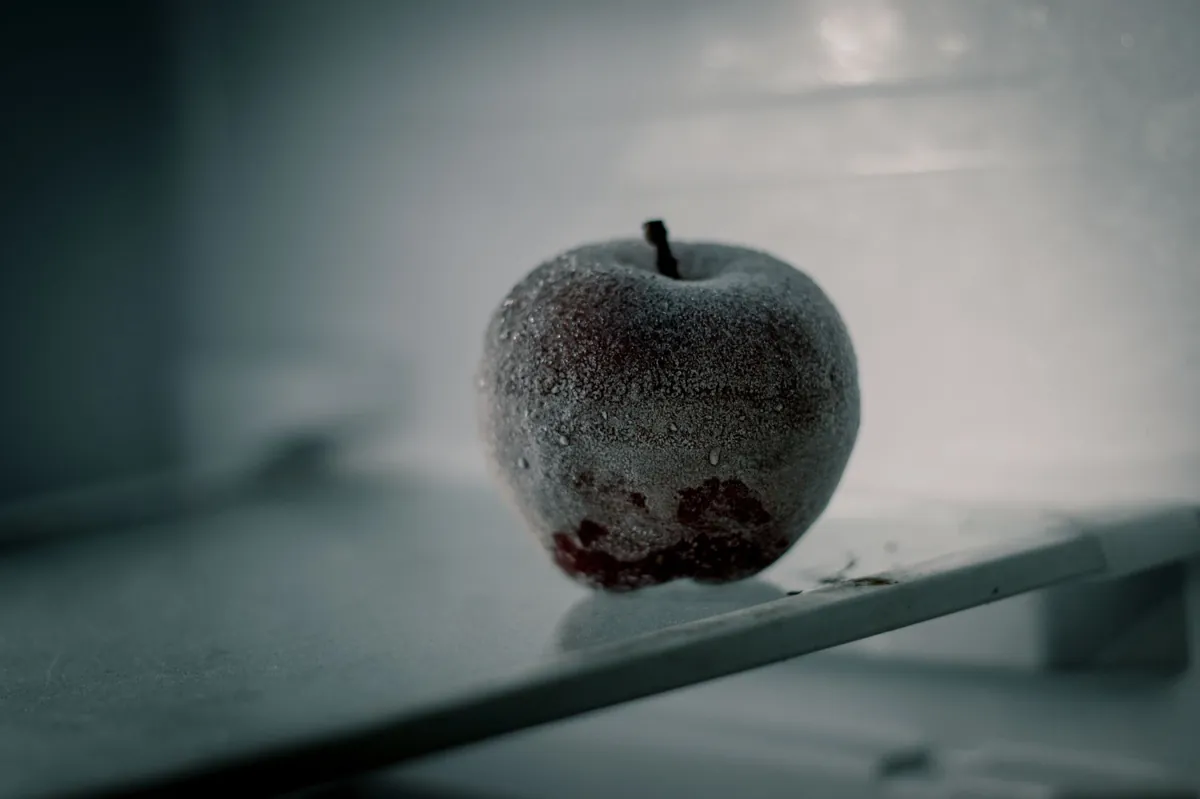
Refrigerator Water Line Frozen
If you’re dealing with refrigerator water line frozen, this guide covers the real causes and the fixes that work. When your refrigerator’s water line freezes, it can disrupt the flow of cold water from the dispenser and ice maker. This issue often occurs in colder months or when the fridge is frequently opened. To prevent freezing, ensure the water line is properly insulated, especially near exterior walls. Regularly check for any kinks or obstructions in the line. If the problem persists, consider moving your refrigerator away from cold drafts or adjusting its temperature settings slightly to keep the area around the water line warmer.
Why Refrigerator Water Line Frozen Happens
Freezing in your refrigerator’s water line can be frustrating, but understanding why it occurs is key to preventing future issues. The most common reason for a frozen water line is the temperature setting of your refrigerator. If set too low, especially near or below freezing point (32°F/0°C), the water line may freeze, leading to no cold water supply.
Another factor could be poor insulation around the water line. Refrigerators are designed with insulated compartments, but if the water line runs through an uninsulated area, it can become exposed and freeze more easily. This is particularly common in older models or those with less efficient insulation.
Additionally, the location of your refrigerator can contribute to freezing issues. Placing it near a cold draft or against a cold exterior wall can cause the water line to cool too much. Ensure that there is adequate space around your refrigerator for proper airflow and consider moving it away from any direct sources of cold air.
Regular maintenance also plays a role. Check for any leaks or damage in the water line, as these can expose the pipe to cooler temperatures and increase the risk of freezing. If you notice signs of wear or damage, replace the line promptly to avoid further issues.
Lastly, the type of water filter used can affect the temperature inside the refrigerator. Some filters may cause a slight drop in temperature around the water dispenser, increasing the likelihood of freezing. Consider using a high-quality filter that minimizes this effect.
By addressing these factors and maintaining your refrigerator properly, you can reduce the chances of experiencing a frozen water line.
How to Fix Refrigerator Water Line Frozen Step by Step
When your refrigerator’s water line freezes, it can disrupt your access to cold water and ice. Here’s a step-by-step guide on how to address this issue:
-
Identify the Freezing Point: Check if the water line is frozen at the dispenser or inside the fridge. If you find that the line is frozen near the dispenser, the problem might be with the internal components.
-
Turn Off the Water Supply: Locate the water supply valve behind your refrigerator and turn it off to prevent any further freezing or leakage once you start working on the line.
-
Thaw the Line: Use a hair dryer or warm towels to gently thaw the frozen section of the water line. Avoid using direct heat sources like open flames, as they can damage the plastic tubing.
-
Check for Blockages: Once the line is partially thawed, check if there are any blockages such as ice buildup or mineral deposits. Use a soft wire or toothpick to clear these obstructions carefully.
-
Inspect the Dispenser Valve and Filter: The dispenser valve and filter can sometimes freeze due to water leakage. Remove the filter (if your model allows) and clean it thoroughly with warm water. Reinstall it once dry.
-
Reconnect the Water Line: After ensuring there are no blockages, reconnect the water line securely. Make sure all connections are tight to prevent leaks.
-
Test the System: Turn the water supply back on and test the dispenser to ensure that water flows freely without freezing again.
-
Prevent Future Issues: To avoid future freezing, consider wrapping exposed parts of the water line with insulation tape or a heat wrap designed for plumbing applications.
By following these steps, you can effectively resolve issues related to a frozen refrigerator water line and maintain a reliable supply of cold water in your home kitchen.
Common Mistakes to Avoid
When dealing with a frozen water line in your refrigerator, several common mistakes can exacerbate the issue or prevent it from being resolved effectively. Here are some pitfalls to avoid:
-
Ignoring Minor Ice Buildup: Many users overlook small ice formations on the water line or dispenser. These minor issues can grow into significant problems if not addressed promptly.
-
Improper Placement of Dispenser: Ensuring that the refrigerator door is properly closed and sealed can prevent cold air from escaping, which might otherwise cause the water line to freeze. Misalignment or damage to the gasket can lead to this issue.
-
Incorrect Temperature Settings: Setting your refrigerator too low can increase the risk of freezing issues. Check the temperature settings regularly and ensure they are appropriate for your needs—typically between 37°F (2.8°C) and 40°F (4.4°C).
-
Using Insufficient Water: Running the water line continuously without using it can lead to unnecessary wear on the system and potential freezing issues if the flow is not sufficient.
-
Neglecting Maintenance: Regular cleaning of the refrigerator, including the area around the water dispenser, can prevent debris from blocking the water line or causing it to freeze.
-
Ignoring Manufacturer Recommendations: Different models have specific guidelines for maintaining their water systems. Always refer to your refrigerator’s user manual for proper care instructions.
By avoiding these common mistakes, you can help ensure that your refrigerator’s water system operates smoothly and efficiently, reducing the likelihood of frozen lines and associated issues.
How to Prevent It in Future
Freezing issues with your refrigerator’s water line can be frustrating, but there are several steps you can take to prevent this from happening again:
-
Check the Freezer Temperature: Ensure that your freezer is set to a temperature between 0°F (-18°C) and 32°F (0°C). A properly cooled freezer will help keep the water line from freezing.
-
Inspect the Water Line Insulation: If your refrigerator has an exposed water line, ensure it is well-insulated. Poor insulation can allow cold air to reach the pipe, causing it to freeze. You can wrap the water line with foam or rubber insulation designed for refrigerators.
-
Avoid Overfilling the Ice Maker: Overfilling the ice maker bin can put additional strain on the water system and increase the risk of freezing. Follow the manufacturer’s guidelines for filling the bin.
-
Check for Leaks: Regularly inspect the water line connections and any other parts that connect to your refrigerator. Leaking connections can cause moisture to build up, leading to ice formation around the lines.
-
Keep the Water Line Clear: Ensure there are no kinks or bends in the water line that could restrict water flow. A restricted flow can lead to pressure buildup and freezing issues.
-
Use a Drain Valve: Consider installing a drain valve on your refrigerator’s water supply line. This allows any excess water to drain out, reducing the risk of ice formation.
-
Maintain Regular Cleaning: Clean both inside and outside of your refrigerator regularly. Accumulated frost or debris can affect the efficiency of the cooling system and increase the likelihood of freezing issues.
By following these practical steps, you can significantly reduce the chances of experiencing a frozen water line in your refrigerator.
Frequently Asked Questions
Q: Why does my refrigerator’s water line freeze?
A: Freezing of the water line can occur due to poor insulation, improper installation, or a blockage in the line. Check if the line is properly insulated and ensure it is not exposed to cold air.
Q: Can a frozen water line damage my refrigerator?
A: Yes, a frozen water line can cause issues such as reduced water flow or even damage to the water dispenser mechanism. It’s important to thaw the line promptly to avoid these problems.
Q: How do I safely defrost and clear a frozen water line?
A: To defrost, unplug your refrigerator, locate the frozen section of the line, and use warm water to gently thaw it. Avoid using sharp objects that could damage the tubing. If the issue persists, consider checking for any blockages or consult a professional.
Q: Can I prevent my refrigerator’s water line from freezing?
A: Yes, you can prevent freezing by ensuring proper insulation of the water line, keeping the fridge away from cold drafts, and using a water filter that is compatible with your setup to avoid blockages.